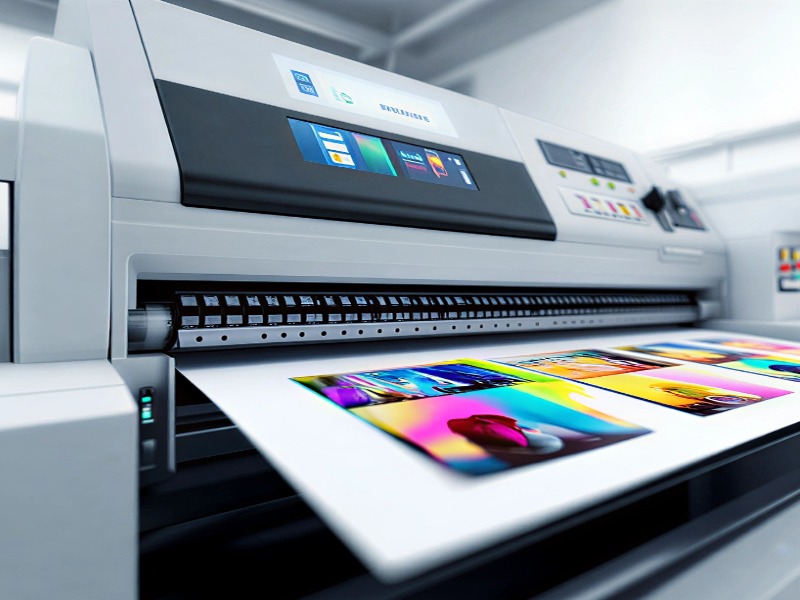
The company adopts the latest UVLED printing technology
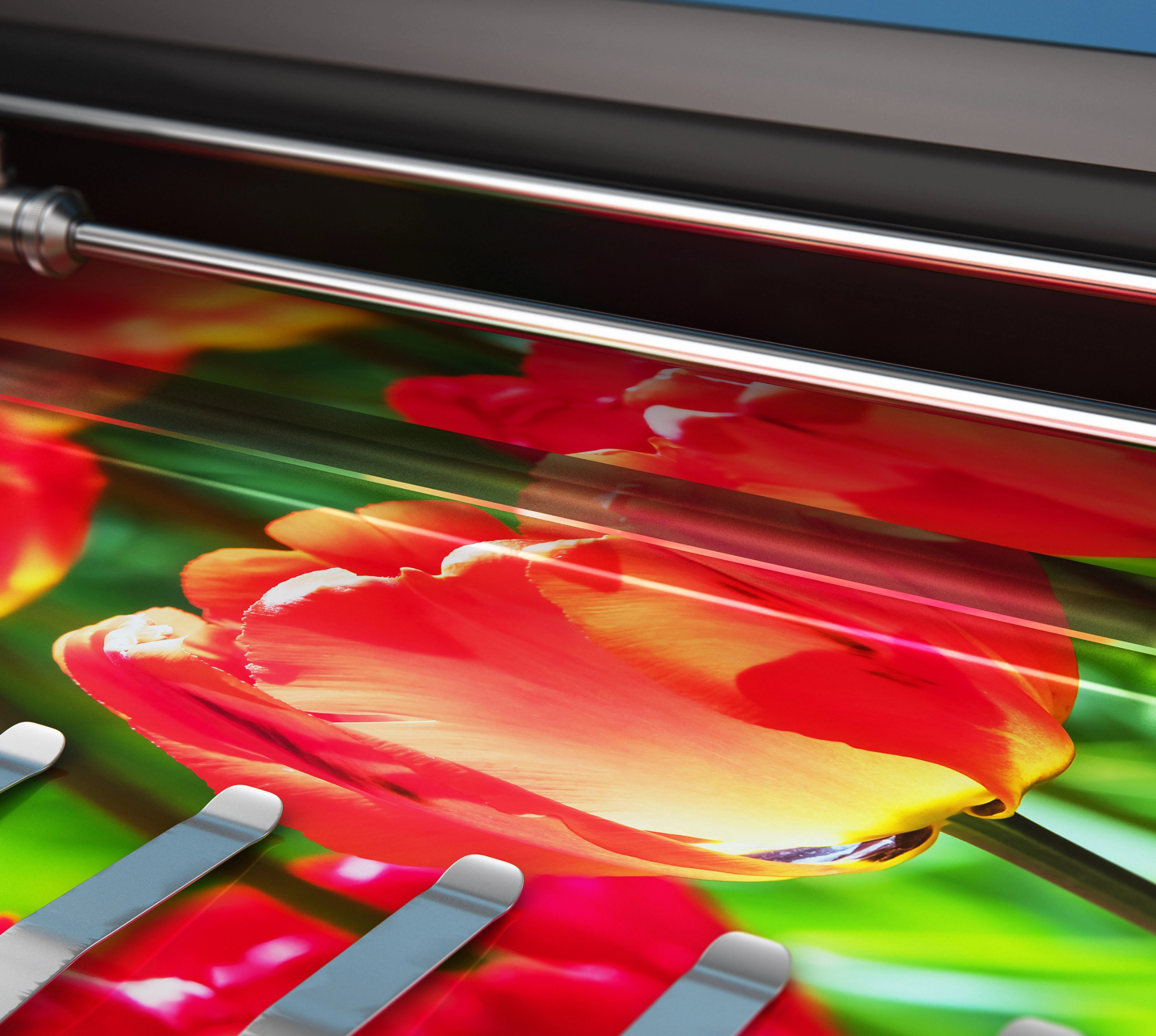
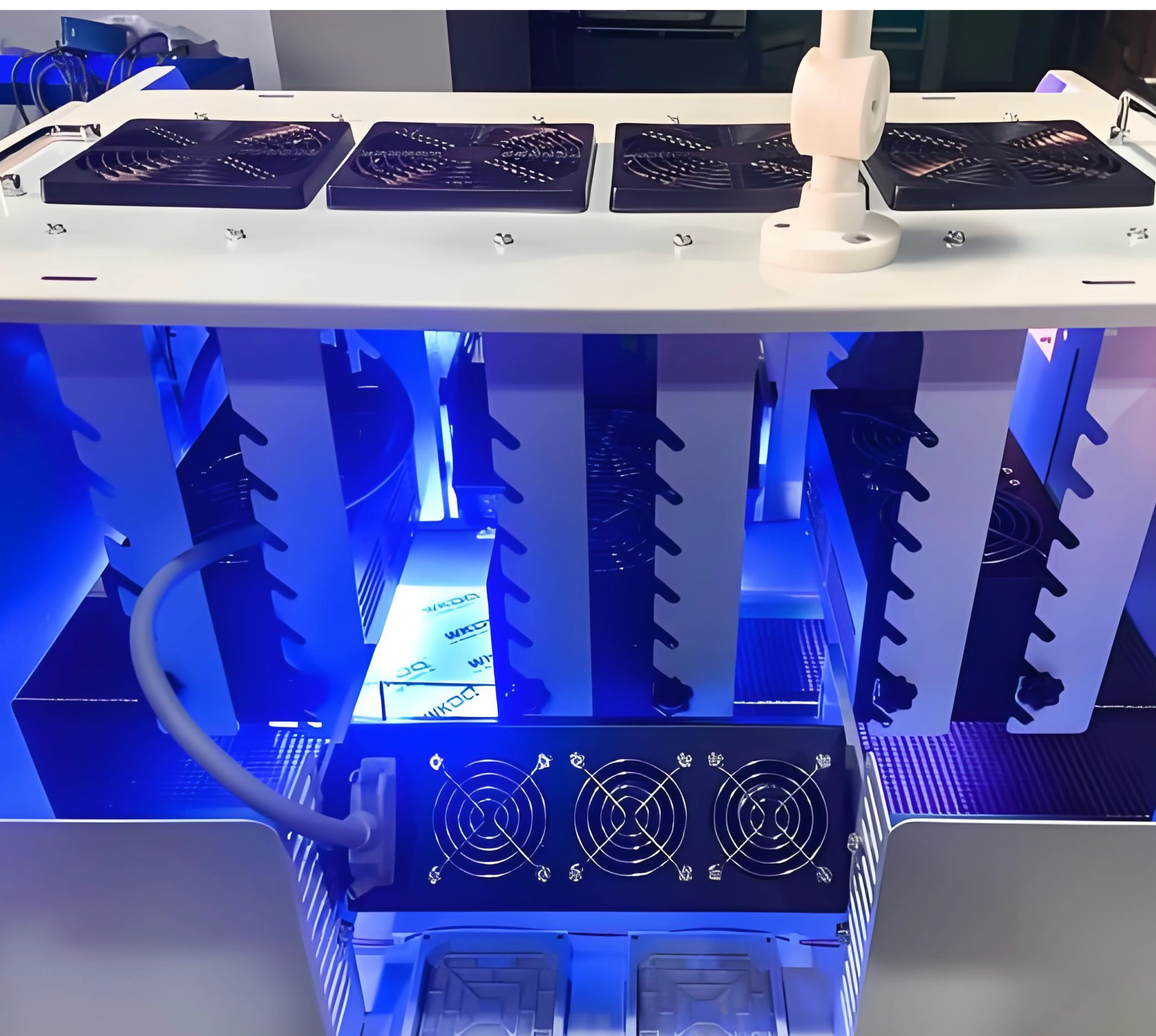
UVLED printing is a mainstream and advanced technology in the current printing industry. It uses ultraviolet light-emitting diodes (UV-LED) as the light source to instantly cure inks or varnishes.
Compared with traditional printing technologies (such as solvent-based printing or conventional mercury lamp UV printing), UVLED printing offers significant advantages in multiple aspects, which can be summarized as follows:
1. Improved Production Efficiency and Quality
Instant Curing, Ready for Immediate UseUnder UV-LED light irradiation, inks can be fully cured within a few hundredths of a second. This allows printed products to undergo subsequent processing such as die-cutting, folding, and laminating immediately after leaving the printing machine, greatly shortening the production cycle and achieving “print and go” efficiency.
Superior Printing QualityHigh Gloss: Cured ink layers are full with high color saturation, creating a very bright gloss effect and enhancing product quality.Sharp Images: Due to instant curing, ink does not penetrate or spread into the substrate. Dot reproduction is clear, enabling extremely fine text and high-resolution images.Strong Adhesion: On suitable materials, UV inks form a durable layer with excellent adhesion and scratch resistance.
Wide Range of SubstratesUVLED printing performs excellently not only on traditional coated paper and cardboard but also excels at handling non-absorbent materials such as plastics (PVC, PET, PP), metals, glass, wood, and leather. This greatly expands printing applications, including phone cases, credit cards, cosmetic bottles, and metal labels.
2. Environmental Friendliness and Safety
Eco-FriendlyZero VOC Emissions: UV inks are 100% solid components without volatile organic compounds. They do not emit harmful gases into the atmosphere during production, making them safe for operators and the environment.Green Certifications: Compliant with increasingly stringent international environmental regulations and standards (e.g., EU REACH, RoHS).
High Energy EfficiencyUV-LED light sources are cold light sources with high electrical-to-optical conversion efficiency. Energy consumption is typically only 50%-80% of that of traditional mercury lamps. They consume electricity only during operation, with almost zero energy use in standby mode, whereas traditional mercury lamps require continuous preheating and are highly energy-intensive.
Safe and ReliableNo Ozone Generation: Conventional mercury lamp UV emits short-wave ultraviolet light that ionizes air to produce ozone, requiring additional exhaust systems. UV-LED has a pure spectrum, mainly concentrated in the long-wave ultraviolet region, generating almost no ozone and improving the working environment.Low-Temperature Operation: As cold light sources, UV-LED emits little to no infrared radiation, preventing substrates (especially heat-sensitive materials like plastics and films) from deforming or being damaged by heat.
3. Operational Costs and Maintenance
Long Service Life, Low Maintenance CostsUV-LED lamps have an extremely long service life, usually over 20,000 hours. In contrast, traditional mercury lamps only last 1,000-2,000 hours and require frequent replacement, resulting in high costs.UV-LED lamps can be turned on and used immediately without preheating or cooling, reducing standby time and energy waste.
Lower Operational CostsAlthough the initial investment in UV-LED equipment may be higher, in the long run, its extremely low energy consumption, ultra-long lamp life, electricity savings from no need for exhaust systems, and higher production efficiency make the total operational cost far lower than traditional printing methods.
4. Special Effects and Innovative Applications
UVLED printing can easily achieve special textures such as 3D embossing (raised text), matte effect, and frosted effect. Through spot varnishing, it can create tactile and visual layering on the same surface, greatly enhancing product added value and artistic effects.